
Between the buried run and the tank itself sits a short section of hardware that decides how maintainable the whole system will be: the tank entry fittings and the sump that houses them. These transition points are easy to leave until the end of the piping plan, and just as easy to get subtly wrong. A run of composite pipe can be re-laid with modest effort; a wrong entry fitting under a tank pad means excavation again, around the least accessible point on the site.
What the transition point has to do
The fitting at the tank entry carries several jobs at once. It terminates the buried pipe, makes the mechanical connection to the tank bung, provides a testable boundary, and does all of this inside a sump that may fill with groundwater over the years. A fitting chosen for one of these jobs alone usually fails at another: a mechanically sound connection with no test port, or a sealed entry that cannot be inspected without cutting the sump open.
Sumps decide what service looks like
The sump is not just a box; it is the workshop where every future task at the tank entry happens. Its size determines whether a joint can be re-made in place, whether a test connection can be reached, and whether submersible equipment can be installed without disturbing the piping. Sumps sized tightly around the entry fitting save a little on day one and cost a lot on every visit after that.
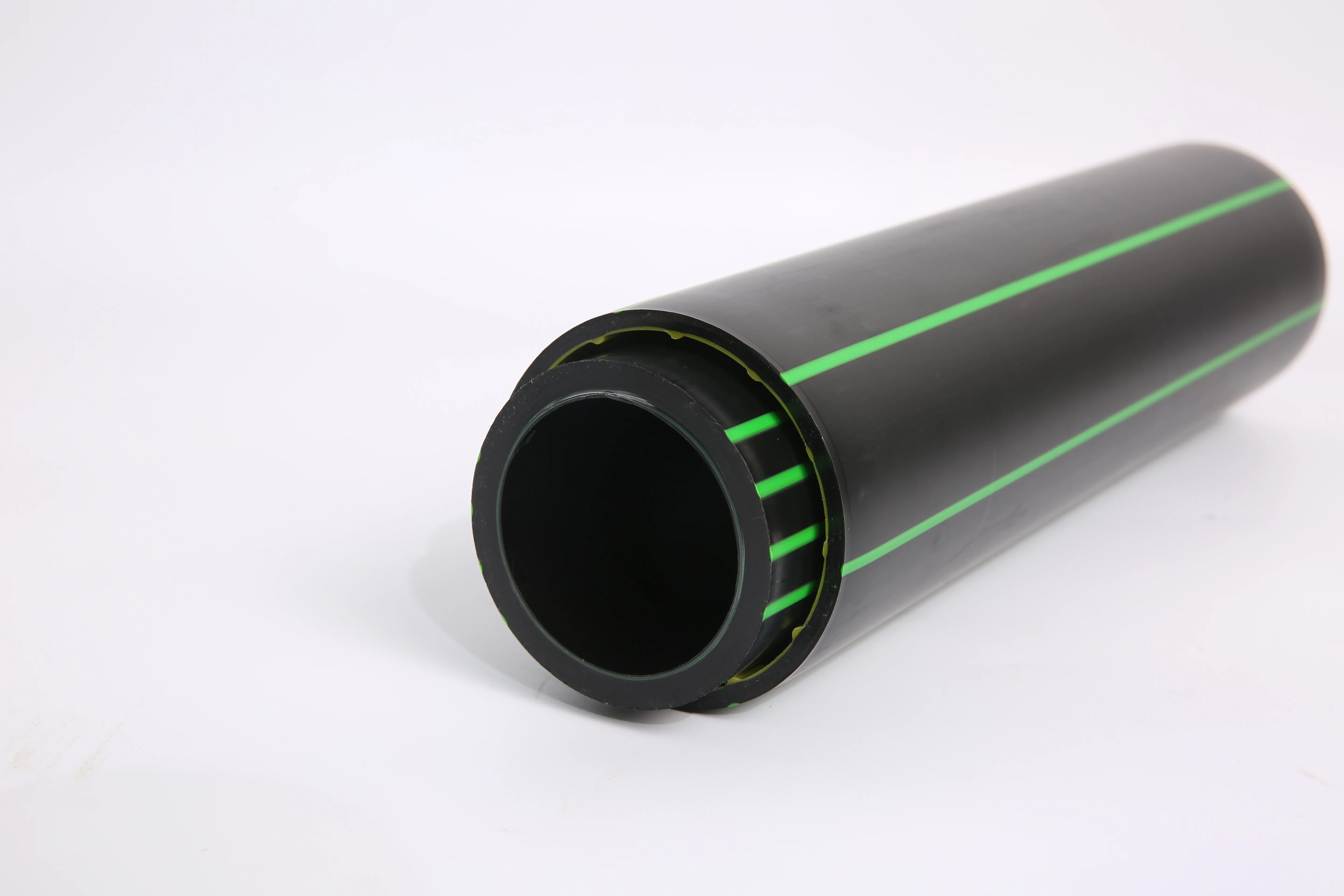
Water management belongs in the same conversation. A sump that collects groundwater is normal; a sump whose drainage was never planned turns every inspection into a pumping exercise first. Whether the design uses a fitted cover, a drain path or periodic pumping, the decision should be made when the sump is specified, not discovered at the first inspection.
Ordering the hardware as one set
The entry point works only when its parts arrive as a matched set: entry fitting, bung adapter, test ports, and the closures that suit the pipe diameter actually being installed. Ordering them from separate assumptions is how sites end up with a fitting whose thread matches nothing on the truck. A short parts list agreed with the pipe supplier prevents most of it.
Planning sequence for the tank end
- Confirm the tank bung size and style from the tank drawings, not from memory;
- Select entry fittings matched to the composite pipe diameters on that tank;
- Decide test port positions and confirm they are reachable inside the sump;
- Size the sump for the parts plus hands and tools, not just the parts;
- Plan sump water handling and covers with the rest of the hardware;
- Photograph and record the completed entry before the backfill closes it.
Transition point choices and their later effects
| Choice | What it affects later | Better approach |
|---|---|---|
| Sump sized to the fitting only | No room to re-make a joint in place | Size for parts, tools and hands |
| Entry without a test port | Every leak check needs excavation | Specify testable entries |
| Bung adapter assumed, not checked | Mismatch found at installation | Confirm from tank drawings |
| No water plan for the sump | Inspections become pumping jobs | Decide drainage or covers early |
| Entry documented from memory | Future crews guess at the layout | Photograph before backfill |
Coordinating with the tank installer
The crew setting the tank usually installs the entry fittings, while the piping crew makes the connections. Where the handover between them sits is worth agreeing explicitly: who confirms bung sizes, who torques the entry fittings, and who signs off the sump layout. Transition points fail most often not from bad parts but from tasks that both crews believed belonged to the other.
Frequently asked questions
Can a tank entry fitting be changed without emptying the tank?
Often yes for the fitting itself, since modern mechanical entries are designed for replacement, but the work still means opening the sump and disturbing the connection. It is far cheaper to select the fitting correctly the first time than to plan on replacing it later.
Does every line into the tank need its own entry fitting?
Multi-entry fittings exist and are common, but each entry adds a joint and a test boundary. The right count comes from the piping layout: one fitting per line keeps the geometry simple, while multi-entry hardware suits tight sump spaces with several small lines.
How deep should the sump sit relative to the tank?
Deep enough that the entry fittings connect without forcing the pipe, and shallow enough that standing water and inspection access stay manageable. The tank drawings and the piping profile decide it together, ideally on paper before either is installed.
Luoyang Wohong Petrochemical Equipment Co., Ltd. supplies double-wall composite fuel piping, fittings and electrofusion accessories for gas station and fuel depot projects. Contact us for pipeline layout review and product selection support.