
Winter projects do not stop for the temperature, and neither does composite fuel piping, but cold weather changes the behavior of the material and the equipment in ways worth planning for. None of the changes is a reason to postpone. All of them are reasons to adjust the routine, because a fusion cycle or a pressure test that behaves one way in summer behaves differently at low temperature.
Handling gets less forgiving
Cold pipe and cold fittings are stiffer and less tolerant of rough handling. A drop that a warm pipe shrugs off can leave a bruise in a cold one, and brittleness at the surface makes scrapes more consequential. Winter handling rules are simple: more care at unloading, softer supports along the trench edge, and a habit of inspecting each length before it goes into the ground rather than trusting the delivery look.
Fusion behavior changes with temperature
Electrofusion and butt fusion both depend on the joint surfaces reaching and holding the right condition long enough to bond. Cold ambient temperature shortens cooling behavior expectations, stiffens the pipe ends, and can pull heat out of the joint faster than the cycle anticipates. Following the fusion equipment’s cold-weather guidance, including any extended cooling times it specifies, is the difference between a joint that passes and one that haunts the pressure test.
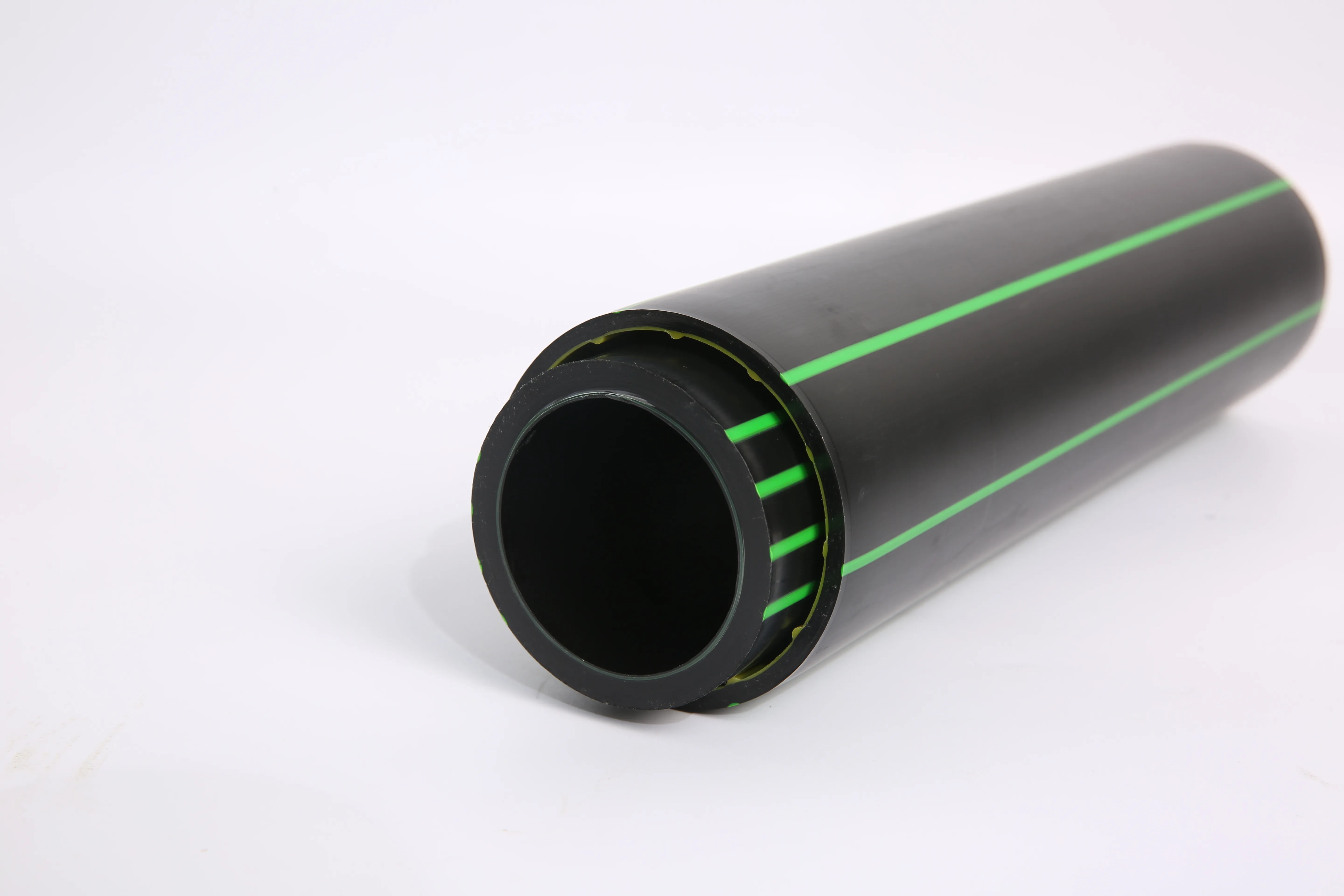
Site practice matters as much as the cycle itself. Keeping fittings in a warmed space until use, scraping surfaces while they are dry, and sheltering the joint from wind during the cycle all cost minutes and remove most of the cold-weather variables at once.
Testing wants patience in the cold
A pressure test done on a cold line mixes two effects: the leak status of the pipe and the contraction of the trapped vapor as it cools further. Stabilization before timing becomes even more important than in summer, and a marginal result should be re-read against the temperature record before anyone starts digging. Winter testing rewards crews who write conditions down and punishes those who trust the gauge alone.
A cold-weather working routine
- Store fittings and small parts warm; take them out only for the joint at hand;
- Inspect every pipe length for cold damage before it enters the trench;
- Shelter fusion joints from wind and moisture during the cycle;
- Apply the cold-weather cooling times the equipment guidance specifies;
- Extend stabilization before timed pressure tests and log temperatures;
- Adjust backfill and compaction practice for frozen ground conditions.
Cold-weather adjustments and what they prevent
| Adjustment | What it prevents | Cost |
|---|---|---|
| Warm storage for fittings | Brittle handling damage before use | A warmed box and a little planning |
| Pre-use inspection of lengths | Hidden damage buried until test day | Minutes per length |
| Wind and moisture shelter | Contaminated or under-heated joint surfaces | A simple screen or tent |
| Extended cooling discipline | Joints disturbed before they are ready | Patience on the schedule |
| Longer test stabilization | Thermal drift mistaken for a leak | Waiting time, written down |
Scheduling winter work honestly
Some cold-weather work simply takes longer, and a schedule that pretends otherwise creates pressure to skip exactly the steps above. Building the extra minutes into the plan, and telling the client why, turns winter from a risk into just another site condition. Projects that respect the season pass their tests on the first attempt remarkably often.
Frequently asked questions
Is there a temperature below which composite piping should not be installed?
Suppliers publish guidance for low-temperature work, and the practical limit is usually about procedure rather than a hard stop: handling care, fusion adjustments and testing patience. Following the winter guidance keeps installation legitimate in most conditions crews actually face.
Does cold weather weaken the finished joint?
A properly made joint is not weakened by the season. The risk sits in the making of it: surfaces, heat balance and disturbed cooling. Once the joint is complete and tested, winter soil temperatures are well within what the material is designed for.
Should pressure tests be avoided in freezing conditions?
They should be adjusted, not avoided: longer stabilization, temperature records and re-tests for marginal readings. Where water-filled testing risks freezing, the agreed test method for winter conditions should come from the project specification rather than improvisation.
Luoyang Wohong Petrochemical Equipment Co., Ltd. supplies double-wall composite fuel piping, fittings and electrofusion accessories for gas station and fuel depot projects. Contact us for pipeline layout review and product selection support.