
Stage III vapor hoses and swivels move every time a tanker connects, and they are the most neglected parts of the vapor path. Pipes buried under the forecourt stay still for decades, but the short flexible section between the truck adapter and the station coupler bends, twists and drags through thousands of connections a year. Stations that plan hose and swivel replacement on a schedule avoid the leaks, failed tightness checks and delivery interruptions that surprise operators who wait for a part to fail outright.
What the Flexible Section Actually Does
When a tanker parks at the rack, the final connection has to absorb three things at once: the height difference between the truck adapter and the station coupler, the small lateral movements of a vehicle settling on its suspension, and the rotation a driver applies while making the connection hand-tight. The hose provides the bending and reach, while the swivel takes the twist so the hose body is never wrung like a towel. Every wear mechanism that follows comes from one of these three jobs being done badly by a worn part.
Where Wear Concentrates
Walk-around checks find most problems early if staff know where to look. The points below concentrate wear and deserve a fixed place on the inspection route.
- Hose cover near both ends, where bending repeats in the same spot every connection.
- Swivel rotation, checked by hand for smooth travel, grit or stiff points.
- Coupler face and seal, where nicks from dropped caps and dirt cause slow leaks.
- Hose body for flat spots, kink memory or cover damage from vehicle contact.
- Dust caps and lanyards, since a missing cap invites dirt straight into the vapor path.
Early Signs a Swivel Is Failing
A healthy swivel turns with light, even hand pressure through its full range. Early failure shows as gritty rotation, a stiff arc that swings back on its own, or vapor smell during connection because the seal face no longer tracks square. Left alone, a dragging swivel forces the hose to take the twist instead, and the hose starts to spiral and kink near the fitting. Replacing a swivel at the gritty stage is a short job; replacing a hose assembly twisted out of shape takes longer and often strands a delivery.
Wear Modes and Replacement Signals
| Component | Typical wear mode | Replacement signal |
|---|---|---|
| Vapor hose | Cover cracks, kink memory, crush damage near ends | Any exposed reinforcement, permanent kink, or failed tightness check |
| Swivel | Gritty or stiff rotation, seal face wear | Rough travel by hand or repeated connection leaks |
| Coupler seal | Hardening, nicks, flattening over years | Seal set shows cracks or vapor smell at connection |
| Dust caps | Lost lanyards, cracked caps | Replace immediately, they protect everything else |
Planning Replacements Instead of Reacting
The cheapest time to replace a hose section is during a planned visit, not during a delivery. Stations that log connection counts or simply review hose condition every quarter can order assemblies ahead and swap them between drops. Grouping replacements with other Stage III service keeps the labor cost down, and a spare assembly on the shelf turns a failing swivel from an emergency into a twenty minute task. The plan matters more than the calendar date; what matters is that nobody is hunting for parts while a tanker waits.
Records That Keep the Plan Honest
Write down what was installed and when. A simple card per position with the assembly date, the supplier and the last inspection note turns replacement planning from guesswork into arithmetic. When a tightness check fails, the record also shows whether the flexible section was ever inspected, which shortens the argument about where the fault sits. Contractors handing over a new Stage III system should include the hose and swivel schedule in the documentation pack, so the operator inherits the plan rather than inventing one after the first leak.
How long does a Stage III vapor hose normally last?
Life depends on connection frequency and handling quality rather than age alone. Busy racks replace flexible sections far sooner than quiet stations, which is why condition checks beat fixed calendars.
Can a damaged hose be repaired on site?
Field repairs on vapor hose assemblies are not worth the risk. A swapped spare assembly keeps the delivery schedule intact, and the damaged unit goes back for proper workshop evaluation.
Who should stock the spare assemblies?
High-throughput stations keep one spare per rack position; smaller sites can share stock with a maintenance contractor. The point is that a known delivery day should never depend on a part nobody holds.
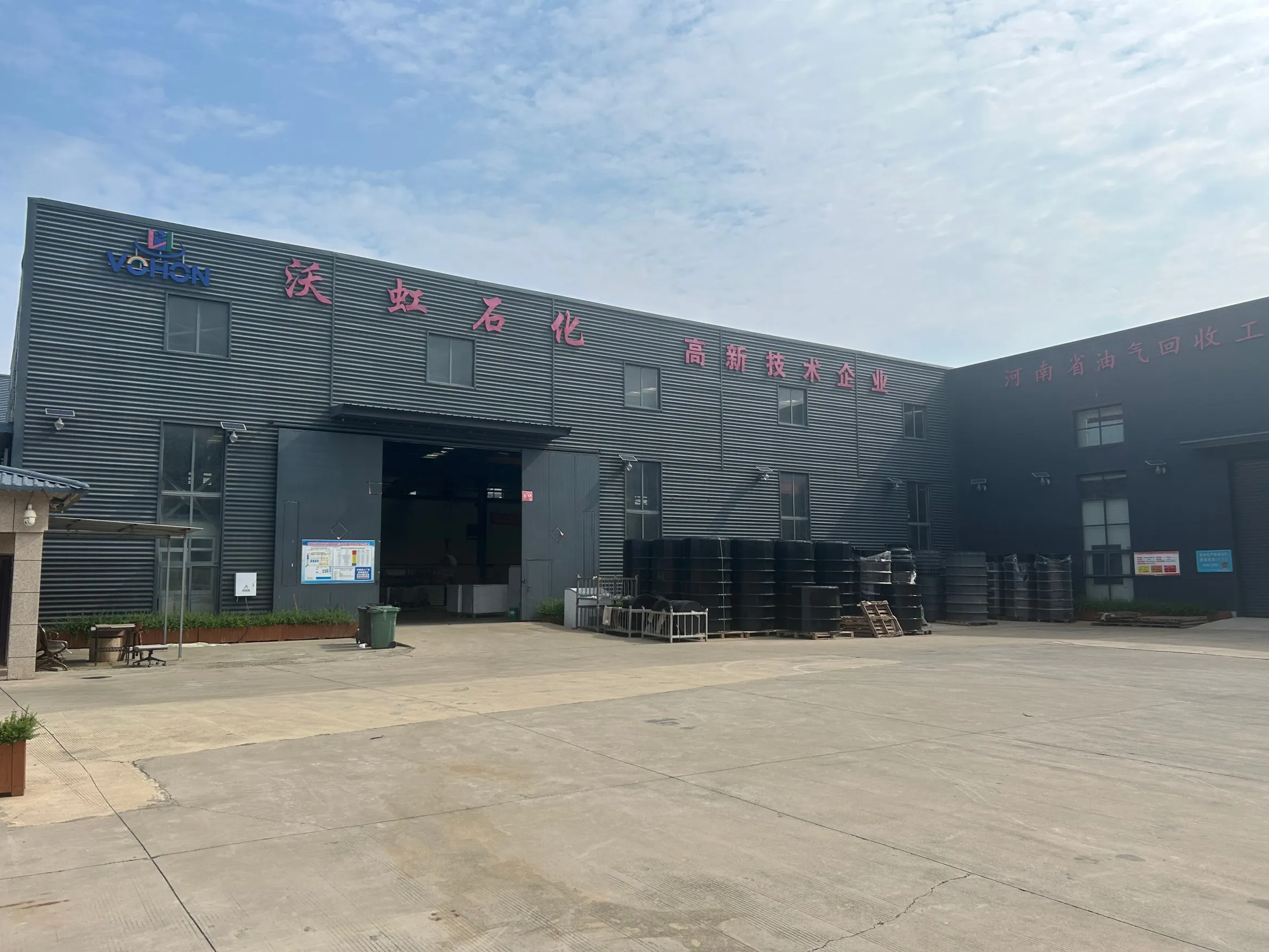
Luoyang Wohong Petrochemical Equipment Co., Ltd. supplies Stage III vapor recovery equipment and wear parts for fuel stations, and helps operators build practical replacement schedules for flexible vapor components.