
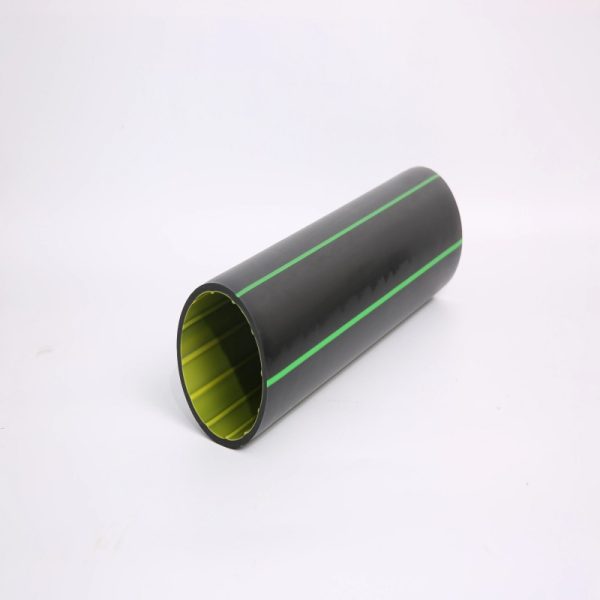
Double-wall HDPE composite pipe used for underground fuel delivery has an inner core lined with EVOH (ethylene vinyl alcohol) resin. This thin barrier layer is the reason the pipe can hold gasoline, diesel and ethanol blends for decades without the fuel permeating through the wall and contaminating surrounding soil. Here is what the EVOH layer does, how it is built into the pipe, and why it matters for station owners.
What EVOH Does Inside the Pipe Wall
Plain HDPE is permeable to hydrocarbons over long periods. Fuel molecules slowly migrate through the polyethylene wall, which is why single-wall HDPE pipe is not approved for underground gasoline service in most jurisdictions. EVOH is a high-barrier material that hydrocarbons cannot easily pass through. Laminating a thin EVOH layer between the inner HDPE and the outer HDPE creates a wall structure that keeps fuel on the inside.
How the Layers Are Structured
The pipe wall is not a single solid piece. From the inside out, the layers are: the inner HDPE carrier layer that contacts the fuel, the EVOH barrier layer, a tie layer that bonds EVOH to HDPE, and the outer HDPE protective layer. The inner pipe also carries an antistatic additive that keeps surface resistance below 10^6 ohms, which prevents static buildup during fuel flow. The space between the inner pipe and outer pipe forms the interstitial monitoring layer.
Operating Pressure and Temperature Range
The rated operating pressure for the composite pipe is 1 MPa. Nominal operating temperature ranges from -40°C to 50°C, which covers underground conditions across most climates. Both self-priming gravity systems and pressure-feed pump systems can use the same pipe, as long as the operating pressure stays within the rated range.
Why the Monitoring Layer Matters
Because the EVOH layer is a barrier, not an absolute guarantee, double-wall pipe includes the interstitial space between inner and outer wall. This space is connected to a leak detection port on each fitting. If the inner wall ever develops a crack or a joint fails, fuel migrates into the annular space instead of leaking directly into the soil. The monitoring system senses vapors or liquid in this space and triggers an alarm before the problem reaches the outer wall.
Installation and Fusion Considerations
The pipe is joined by electric fusion welding, which melts the HDPE at the joint and creates a continuous bond. Because the EVOH layer is inside the wall, the fusion process only affects the HDPE layers — the EVOH barrier remains intact at the joint. Fittings are also double-wall, with built-in detection connectors that link the interstitial spaces into a continuous monitoring loop. No additional adapter or diameter-changing component is needed between the pipe and matching fittings.
What to Look for When Specifying
When comparing composite pipe products, check whether the EVOH layer is co-extruded as a continuous layer or added as a secondary wrap. Co-extruded barrier layers are more reliable because they cannot delaminate along the pipe length. Also confirm that the antistatic layer is embedded in the inner pipe wall rather than applied as a surface coating, which can wear off over time.