
Underground piping upgrades rarely fail on engineering. They fail on timing, because a station that digs up its forecourt in a bad year has chosen the most expensive possible moment to do necessary work. Fuel margins and volume trends are the two signals that decide whether a piping project lands comfortably or painfully, and operators who read them deliberately schedule underground work when the business can absorb the interruption. The reading does not need an analyst; it needs a habit of looking at the right lines before the budget meeting.
Why Piping Projects Are Timing Decisions
A piping upgrade closes positions, reroutes deliveries and shortens trading days for weeks. The engineering cost is fixed, but the revenue cost swings hugely with when the work happens. Doing the same project in a strong trading quarter costs far more in lost volume than the identical project in a soft one. That asymmetry is why the best-run networks treat piping work as a scheduling question first and a construction question second, and why the two signals below matter more than the quotation date.
Signal One: Where Margins Actually Sit
Margin, the gap between what fuel costs the station and what it sells for, decides how much disruption the business can carry. Three patterns are worth watching. Sustained thin margins argue for deferring optional work and spending only on compliance items. A stretch of unusually strong margins is a window, not a windfall, and networks that use it to clear deferred underground work bank the flexibility for years. Volatile margins argue for short, phased projects that can pause between phases without penalty.
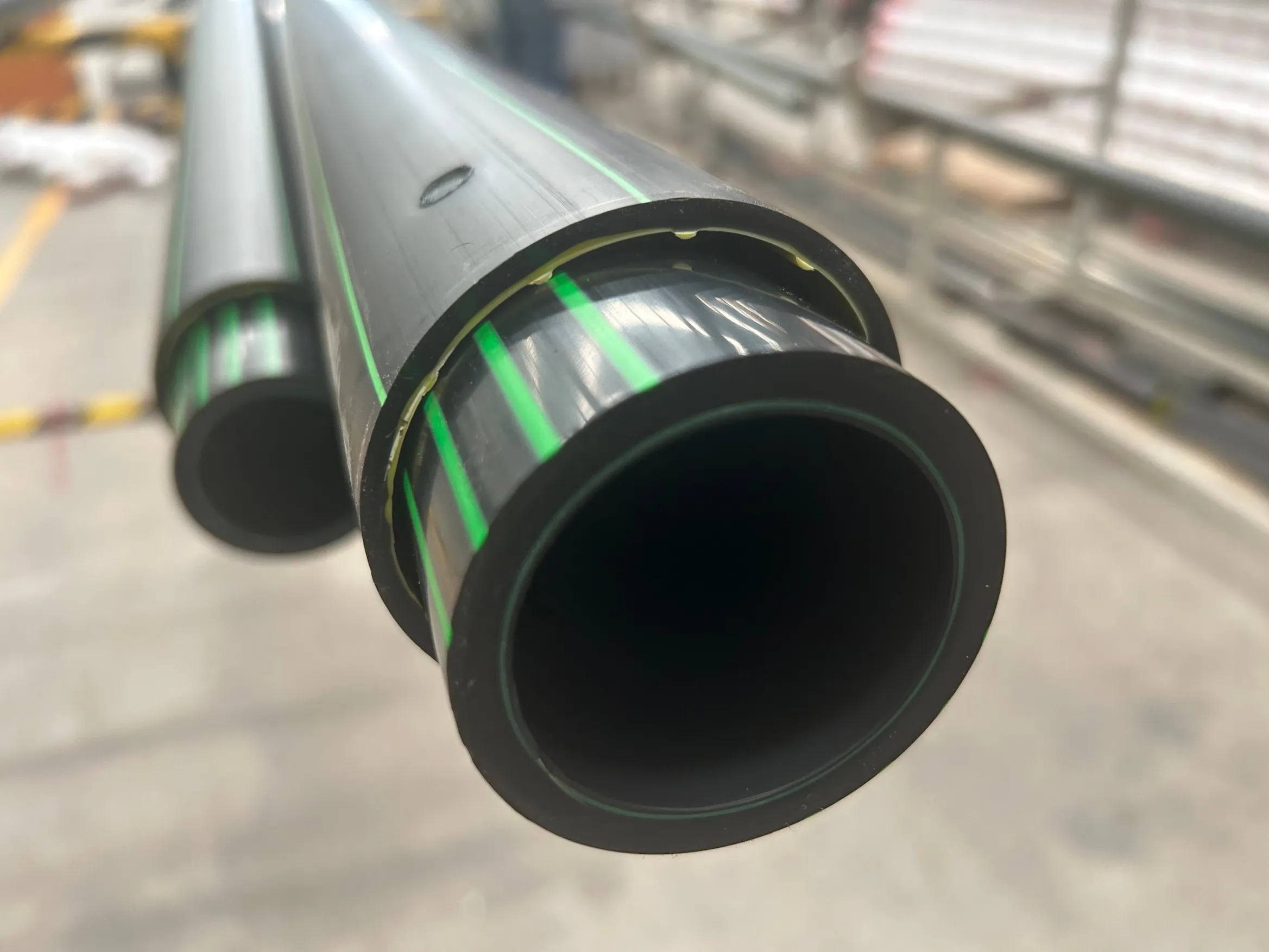
Signal Two: What Volume Is Telling You
Volume trends shape both the cost and the urgency of piping work. Falling volume at a site with sound tanks and rising volume at a site with aging lines point in opposite directions, and the table below shows how the two signals combine.
| Margin picture | Volume picture | What it suggests for piping work |
|---|---|---|
| Comfortable | Stable or rising | Schedule planned upgrades now, while the site can absorb disruption and crews are available |
| Comfortable | Slipping | Investigate the volume cause first; a rebuild may bundle piping with larger works |
| Thin | Stable | Phase the project, keep open positions trading, and contract work across quieter months |
| Thin | Falling | Hold optional upgrades, spend on compliance only, and revisit after the site review |
Turning the Signals into a Schedule
Once the reading is made, the schedule almost writes itself. The translation from observation to calendar follows the same few moves each quarter.
- Mark each site in the network list with its margin and volume verdict for the quarter, in plain words.
- Move sites in the comfortable band into the next budget cycle with the justification already written from the trend history.
- Give hold-pattern sites a review date instead of a promise, so deferred projects resurface rather than disappear.
- Split any urgent project on a thin-margin site into phases that keep open positions trading between them.
- Review the whole picture again next quarter, before the market, not after it, decides the timing for you.
Networks that run this loop quarterly find their piping budgets stop lurching between panic and neglect.
What Suppliers See from the Other Side
Suppliers and installation contractors watch the same cycle from outside. Order books in most markets bunch into the weeks after strong trading quarters, which means lead times stretch exactly when every operator wants to build. Operators who place piping orders against a scheduled window, rather than when cash happens to be loose, get better slots, calmer crews and fewer rushed decisions. Telling the supplier the intended quarter early costs nothing and usually improves the price and the delivery certainty together.
The Habit That Beats the Forecast
Nobody predicts margins well. What separates networks that keep their underground infrastructure current is not forecasting skill but review discipline: margins and volumes looked at together, every quarter, against a standing list of sites and their piping condition. That habit converts a noisy market into a calm schedule, and it is within reach of any operator who already keeps sales records. The piping will still be old next year; the question the habit answers is whether next year is the year it stops being a problem.
Which matters more for scheduling, margin or volume?
Volume usually decides the disruption cost because it sets what the closed positions would have sold. Margin decides whether the business can carry that cost. Read them together rather than choosing one.
Can piping work proceed without closing the station?
Often yes, with phased trenching that keeps some positions trading. Phasing adds coordination cost but protects volume, which is why it is the default answer for sites with healthy sales.
How far ahead should a piping order be placed?
Place it when the budget window is chosen, not when construction starts. Early orders reserve crew slots and materials, which matters in busy seasons when every operator with cash is building at once.
Luoyang Wohong Petrochemical Equipment Co., Ltd. supplies composite piping systems for fuel stations and works with operators on scheduling underground projects around real trading conditions.