
Ground looks permanent from the surface, but every buried fuel line lives in soil that breathes with the seasons. Frost heave lifts, dry spells shrink clay, rain swells it back, and traffic loads knead the whole package year after year. Most of the time nothing dramatic happens. Occasionally the movement finds the one rigid element in the system and tests it for decades.
The movements worth knowing
Frost action lifts the upper soil layer where water freezes and expands, most aggressively in silty ground with shallow cover. Drought shrinks clay soils enough to drop a forecourt by centimeters, then rain reverses the cycle. Fill that was compacted on a dry day settles when soaked for the first time. None of these are faults; they are normal soil behavior, and a piping design either tolerates them or slowly fights them.
Where movement stresses a system
| Stress point | What movement does | Design answer |
|---|---|---|
| Rigid connections at tank and dispenser | Pulls the joint in directions the fitting was never asked to flex | Flexible transitions at both ends of buried runs |
| Changes of direction | Frost lifts one leg more than the other, working the fitting | Bend radii kept generous near direction changes |
| Crossings under traffic lanes | Repeated deflection as wheels pass above | Cover depth and slab protection at crossings |
| Trench backfill over native clay | Different movement rates shear gently at the interface | Uniform bedding surrounding the full run |
| Riser penetrations | Slab and soil move at different rates season after season | Movement allowance at every penetration |
Reading the warning signs
Ground movement rarely fails a line without announcement. The signs arrive in order, and crews that catch the early ones save the later ones:
- Watch for new cracking in slabs that follows the pipe route rather than saw-cut joints;
- Recheck tightness at accessible transition points after the first hard frost and the first long drought;
- Investigate any sump or fitting that starts weeping after a season of extremes;
- Log recurring observations by season, since a pattern repeating each winter or each August is diagnosis itself.
Why composite runs handle the seasons well
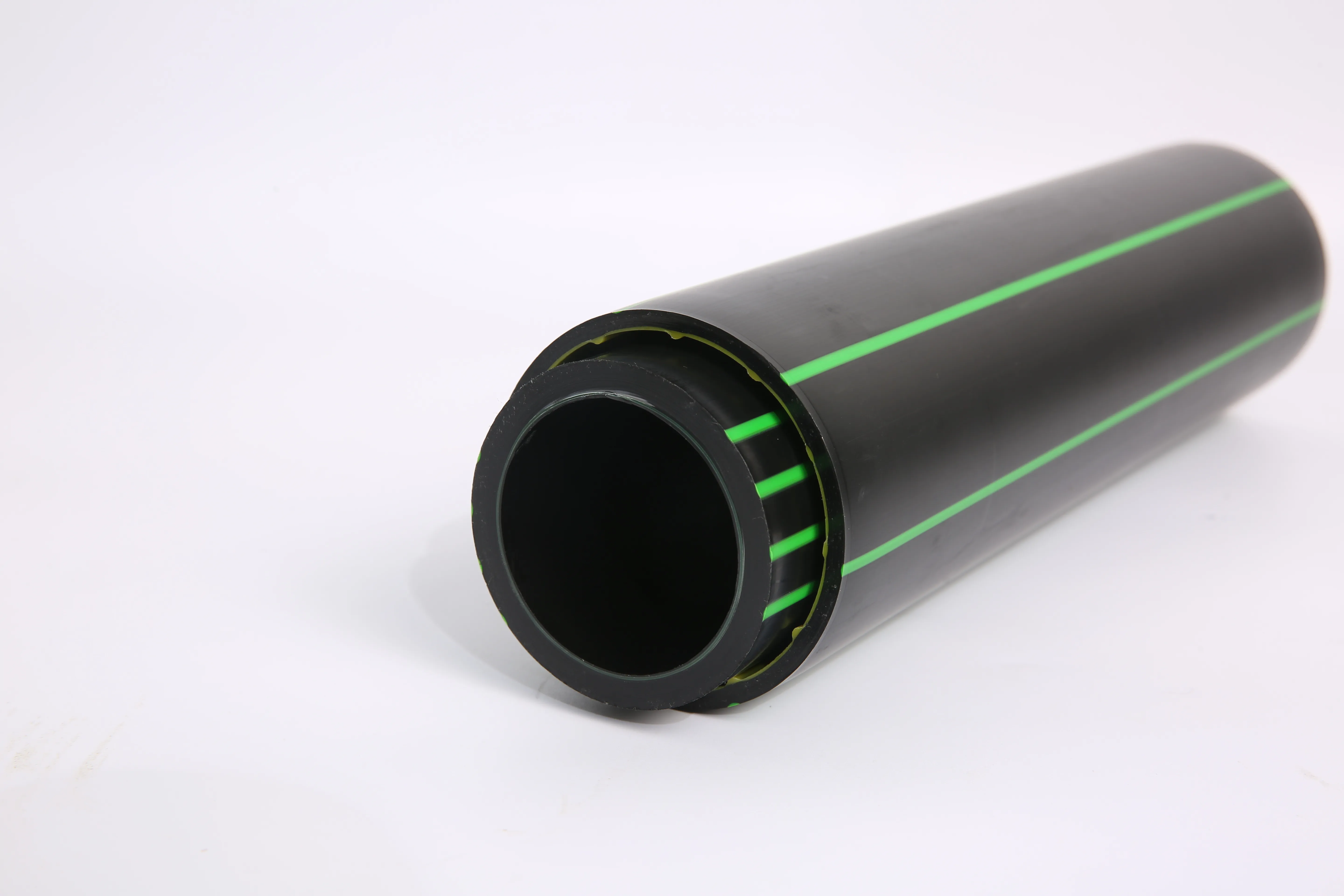
Flexible composite piping follows the ground instead of resisting it, which is the property the whole material class is bought for. That tolerance still depends on the details: a flexible line anchored to a rigid dispenser through a stiff fitting hands the movement to the fitting instead. The systems that shrug off decades of seasonal cycles are the ones where flexibility was preserved end to end, through every transition and every penetration.
Designing for the site you actually have
A station in frost country, a depot on deep clay and a coastal site on sand face three different movement stories. The specification that works everywhere does not exist; the one that works on your site starts with the soil report and asks one question of every connection: what happens here when the ground moves half an inch? Components rated for the answer cost little at design time and are nearly impossible to retrofit once the surface closes.
Frequently asked questions
Does deeper cover protect against frost movement?
Below the local frost depth, yes, frost heave stops being the concern. But deeper cover is not free: it increases load on the line, lengthens the excavation and complicates future access. The sensible answer matches cover to local climate and traffic rather than burying everything to the deepest number on the map.
Can seasonal movement cause a leak without any surface sign?
It can, which is why accessible test points and interstitial monitoring earn their keep. A double-wall system reports annulus changes that reveal slow joint stress long before product appears, and a site that logs those readings by season catches movement damage in its quiet early stage.
Should backfill specification change for clay sites?
Yes. Clay shrinks and swells as a unit, so backfill that matches the native movement keeps the line moving with the ground instead of being sheared at the trench wall. Importing clean granular material around the run and transitioning carefully back to native soil is the standard answer where clay dominates.
Luoyang Wohong Petrochemical Equipment Co., Ltd. supplies double-wall composite fuel piping, fittings and electrofusion accessories for gas station and fuel depot projects. Contact us for pipeline layout review and product selection support.