
Two suppliers can offer the same product names at similar prices and still deliver very different projects. The difference lives in how they work: how they check orders, how they pack, how they answer a problem call at the worst moment. A buyer who evaluates only the catalogue is buying a lottery ticket with good printing. The evaluation tools that actually separate suppliers are old-fashioned ones: references, samples and visits.
Reference projects, chosen honestly
Every supplier has references; the question is whether they match your kind of project. A supplier strong in depot piping may be untested on tight retail forecourts, and vice versa. Ask for three references close to your scope in size and constraints, and ask the references questions the supplier cannot rehearse: what arrived late, what was missing, how the problem was handled.
Sample joints tell the truth about process
A sample electrofusion joint, cut open and presented without embarrassment, says more about a supplier’s quality culture than any document. The surfaces tell whether scraping discipline is real. The fusion tells whether the equipment and the procedure are respected. A supplier unwilling to cut a joint open for you has answered a different question entirely.
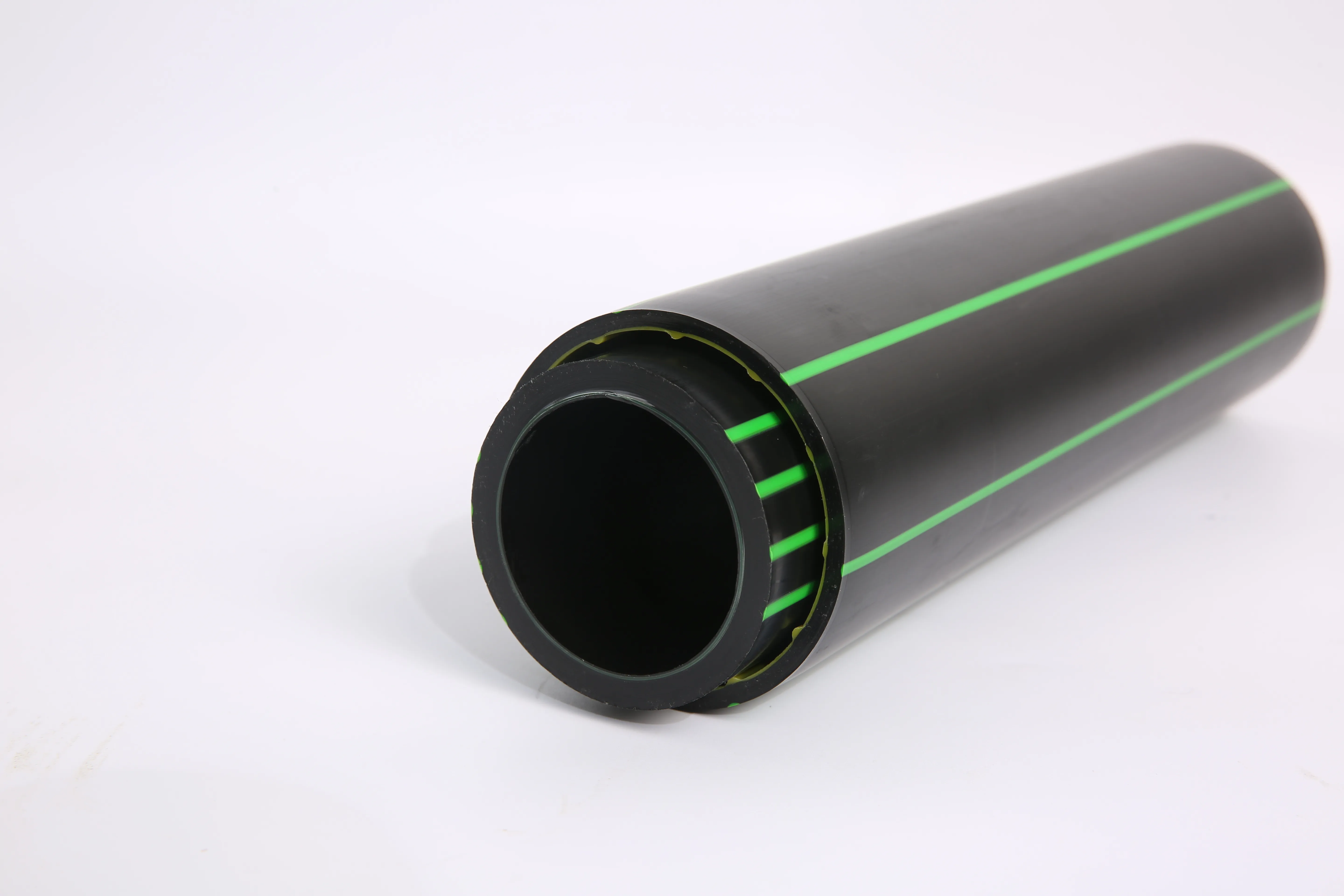
The same logic applies to packing and documentation samples. A fittings box that arrives sorted, labeled and matched to a packing list reflects a warehouse where orders are checked. Documentation that arrives complete and readable reflects an office that will answer the phone with information, not guesses.
The visit, and what to look at
A factory or warehouse visit needs no special agenda to be useful. Look at how material is stored, whether anything sits on the floor in the weather, and whether the people handling product seem to know what it is. Watch how a pick list is processed. The details a visitor can see in an hour are the same details that shape an order months later.
An evaluation sequence that fits real buying
- Define the two or three project traits that matter most for your scope;
- Request references matching those traits and call at least two of them;
- Ask for a cut-open sample joint and documentation samples together;
- Visit the facility if the order size justifies the trip;
- Test responsiveness with a real technical question during evaluation;
- Score what you learned beside the price before deciding.
Evaluation tools and what each reveals
| Tool | What it reveals | Watch for |
|---|---|---|
| Matched references | Performance on projects like yours | References chosen to flatter, not match |
| Cut-open sample joint | Real fusion and scraping discipline | Polished samples prepared only for visitors |
| Packing and docs sample | Warehouse and office culture | Samples that disagree with each other |
| Facility visit | Storage, handling and order processing | A tour route polished beyond recognition |
| Responsiveness test | How problems will be handled later | Fast sales talk, slow technical answers |
Weighing the findings against the price
The point of all this evaluation is not to buy the most impressive supplier; it is to know what the price differences actually mean. A slightly higher quote from a supplier with disciplined joints, honest references and quick technical answers is usually the cheaper project once rework, delays and aggravation are counted. The evaluation converts the choice from a price comparison into a risk decision, which is what it always was.
Frequently asked questions
Is a supplier visit necessary for smaller orders?
Not always, but the other tools scale down well: two reference calls and a sample joint cost a morning and catch most of what a visit would. Save the trip for the orders where the exposure justifies it.
What if a reference speaks badly of the supplier?
Ask the supplier about it directly. A good supplier explains what went wrong and what changed; a defensive one suggests the next problem call will go the same way. One bad reference is information; the reaction to it is more information still.
Can this evaluation be done across borders?
Yes, with slight adaptation: video calls replace corridor walks, and shipped samples replace showroom ones. References and responsiveness work exactly the same at a distance, and distance makes the supplier’s paperwork discipline matter even more.
Luoyang Wohong Petrochemical Equipment Co., Ltd. supplies double-wall composite fuel piping, fittings and electrofusion accessories for gas station and fuel depot projects. Contact us for pipeline layout review and product selection support.